Ten years ago, alumni networks were almost exclusively associated with the education sector.
Apart from a very select number of global banks and multinational consultancy firms - the first movers - corporate alumni networks were not a consideration for businesses.
"Why should we care about ex-employees? They have no value to us."
That was the prevailing sentiment.
At best, an alumni management platform was a tool to support retirees and perhaps open up an opportunity for a bit of business development. But now they're an essential asset for leading organizations in multiple sectors, as they compete to hire and re-hire the best talent.
Today, alumni networks are springing up everywhere.
Banks, law firms, tech companies, consultancy firms, telecoms and energy companies, in the US and around the globe, you name them. More and more businesses are recognizing the value of corporate alumni networks.
Large firms are moving fast to develop the platforms they need, with smaller organizations hot on their heels.
Why? And why now?
What's changed to cause this surge in corporate alumni network interest?
The answers lie in the changing attitude of employees toward their employers.
Historically, a job was "for life"
For decades, the conventional wisdom across the vast majority of large, structured organizations was that when you joined the business, you were set for life.
You might join at a junior level and work your way up, or you'd find your department and make it your own over time.
The business was like a family. In many cases, jobs came with an extensive range of perks to cement the relationship between employee and employer: healthcare, housing, transportation, school support, opportunities for family members, and a secure job for life.
Leaving a well-established role in a well-established business was a damning indictment on both sides of the table. Employees were passing judgment on their employers. Employers would swear they never wanted to see those leaving employees again.
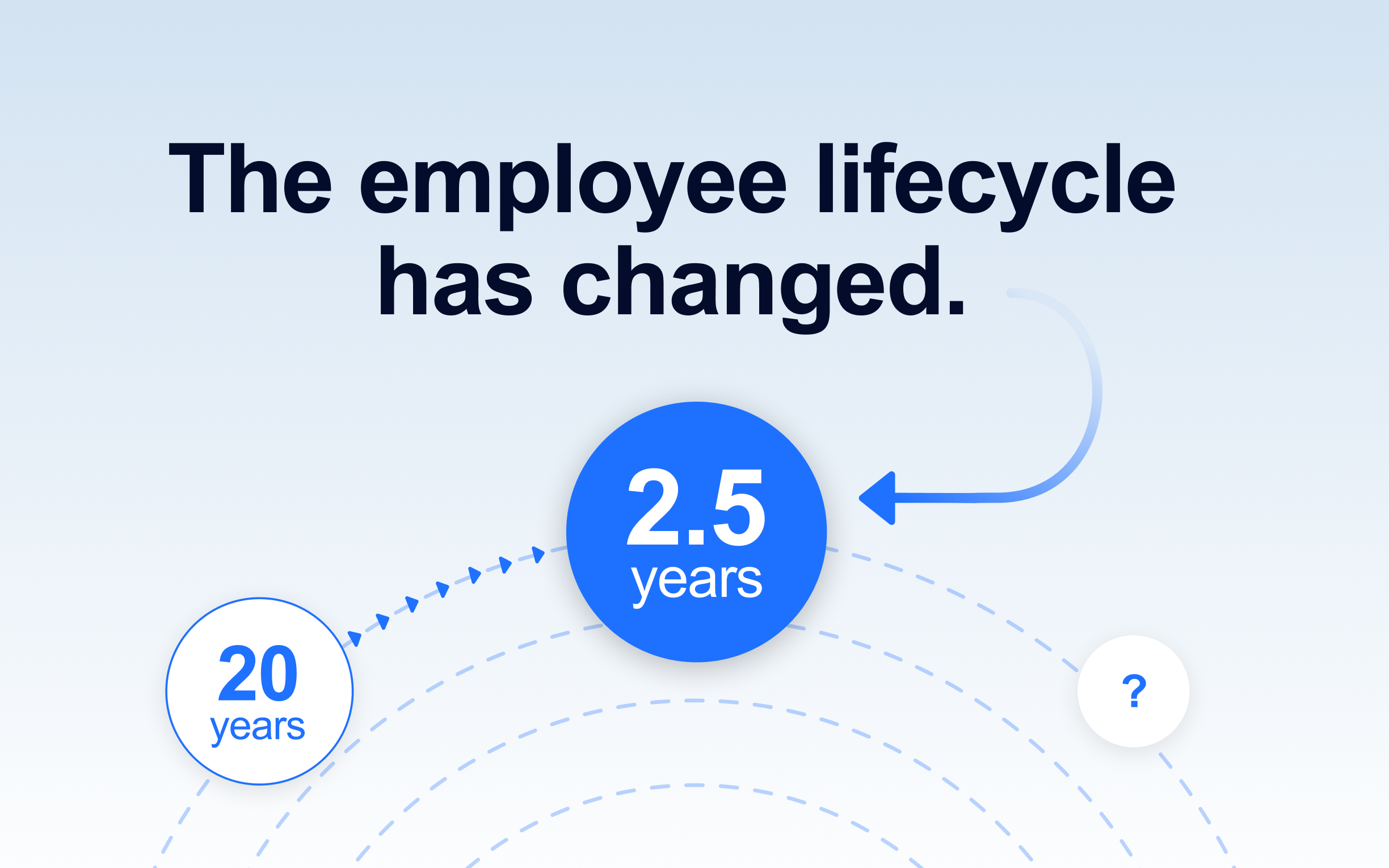
Most employees didn't leave. Fifteen years ago, the average tenure was around twenty years. Many served 30 or 40 years.
That's how it was. It's not how it is today.
Changing times led to a changing mindset
As the world grew, social media proliferated, economies shifted and companies restructured, something broke.
An emotional relationship became more transactional. Employees realized they could give and take with their loyalty, just as companies were doing to them.
"If the company uses me, I'll use them."
With the pandemic, flexible remote working and a bigger, more accessible job market, employees recognized their value - that they weren't a commodity to be taken for granted - and began exploring other opportunities.
The results have been clear.
The length of average employee tenure has shortened dramatically
Where a decade or so ago it was common to stay in a job for 20+ years, today the younger generation lasts just 2.5 years on average in an organization.
That number is still falling.
The ramifications of that are staggering:
- Today, someone entering the workforce in their 20s will have had three or four employers by 35
- Each year, more people who know your business are outside it than inside it
- Constant churn means employers can no longer afford to ignore ex-employees
That's forced a mindset shift for HR too.
HR can't treat those who left like they're dead because they offer huge potential to the organization. They have huge inherent value.
Where once leaving meant a firmly closed door, it's now just a step on the journey.
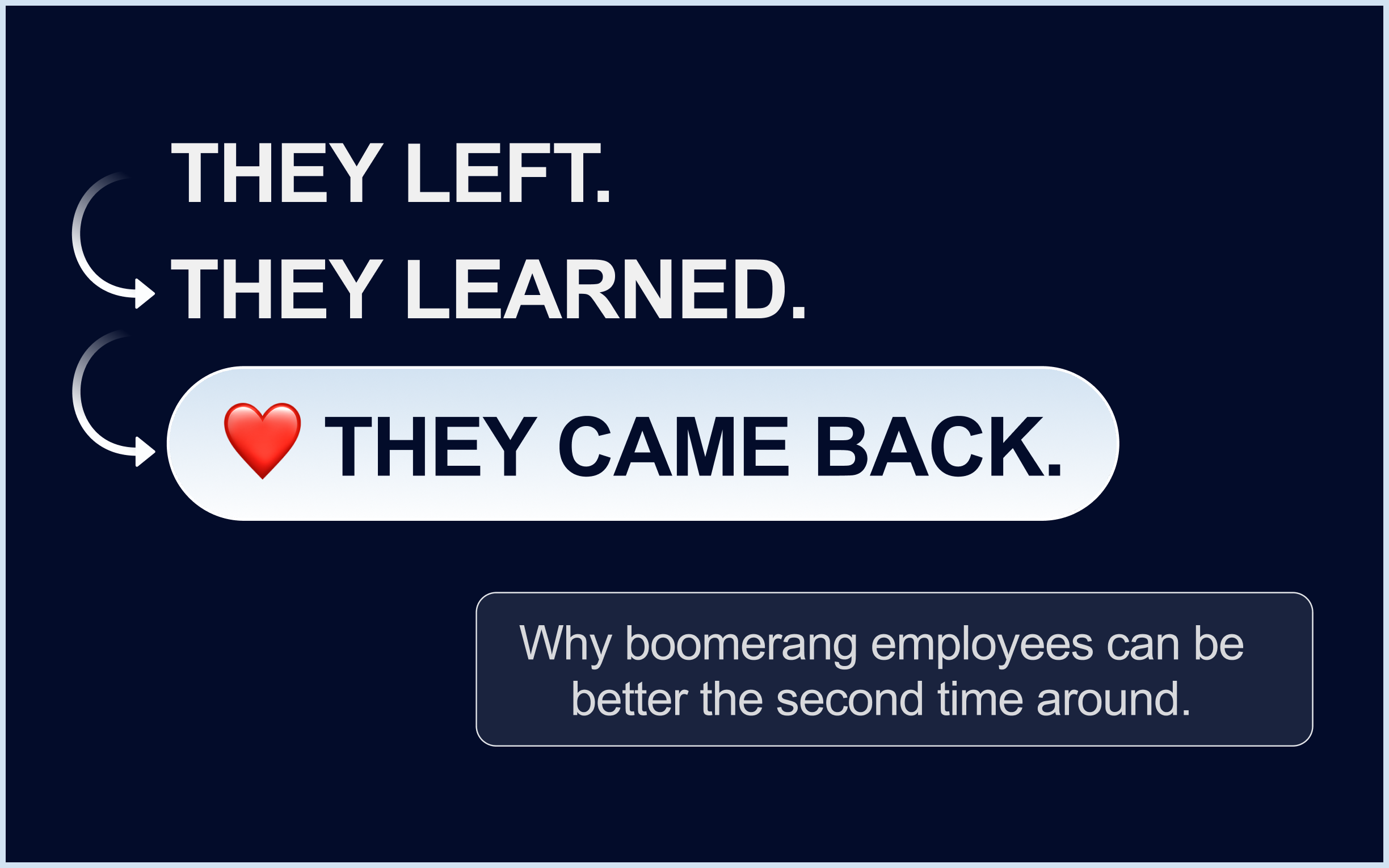
Ex-employees are off learning new skills, making new connections and developing more extensive relationships, all of which they can bring back to the business in a few years.
They could be boomerang employees. They could be invaluable.
Talent acquisition is the number one reason corporate alumni networks are booming
Finding talent is harder - and more expensive - than ever. With employees more transient than ever, moving between organizations several times before they settle down, attracting the right talent is a constant challenge.
Organizations need all the tools they can get. Anything that offers a direct route to potential hires and minimizes recruitment costs is an invaluable asset.
That's exactly what an alumni platform does. When employees are eager to leave, learn and develop, an alumni management platform provides organizations the opportunity to stay connected.
It lets HR directly engage those ex-employees who are ready to bring their newly learned skills, relationships and experiences back to the organization.
It's revolutionizing talent acquisition - a platform that finds and attracts talent, while keeping hiring costs down. SHRM and Harvard Business Review estimate rehires slash per-hire costs by as much as 50%.
That's why businesses are focusing on employee offboarding, and why they're investing in the most effective ways to engage ex-employees through an alumni management platform.
Alumni drive valuable business development opportunities too
While talent acquisition is the main driver for corporate alumni networks, it's not the only benefit.
Former employees don't just go and work somewhere else. They go and work somewhere else you'd like to do business with.
And when talent does return to your organization, they can potentially bring a whole host of clients with them.
That's why law firms are keen to explore the benefits of an alumni network. Five years ago there were just two law firms in our corporate alumni leaders' group. Today, they're launching networks almost every month.
Banks too are embracing corporate alumni networks because of the business value an alumnus offers. Long after they leave, ex-employees remain customers of the bank - with a checking account, a mortgage, a credit card and other loans - and they stay advocates too.
That happens naturally. An alumni network can capitalize on it.
Together, these benefits give organizations a big competitive advantage
Which is exactly why corporate alumni networks are springing up everywhere.
Put talent and business development together, and alumni become a valuable stakeholder group.
Where once they were ignored, seen only as "retirees" with very little commercial value, they're now a source of:
- Rehires
- Referrals
- Clients
- Brand advocates
- Mentors
- Market intelligence
And more. All visible. All trackable. All quantifiable… if you have the right alumni management platform.
The technology now exists for employers to benefit
There's one final reason why corporate alumni networks are suddenly everywhere: the technology to actually engage alumni effectively finally exists.
Because a spreadsheet of leavers isn't an alumni network. Neither is a LinkedIn group or an annual email.
Alumni value is only realized when you can see who these people are, what they're doing now, what they're interested in, and which of them are clients, prospects or candidates you'd take back tomorrow.
You can only do that with a platform that truly engages alumni by personalizing the content and the offers they receive, and one that records exactly how they interact.
That data is what drives the commercial benefits of a corporate alumni network.
That data is why banks, law firms and consultancy firms are racing to find the right alumni management platform.
It's why those looking for a competitive advantage, eager to engage and rehire ex-employees, are choosing Aluminati.
Find out how Aluminati can make sure your organization isn't left behind in the drive to build an invaluable corporate alumni network. Book a demo today.